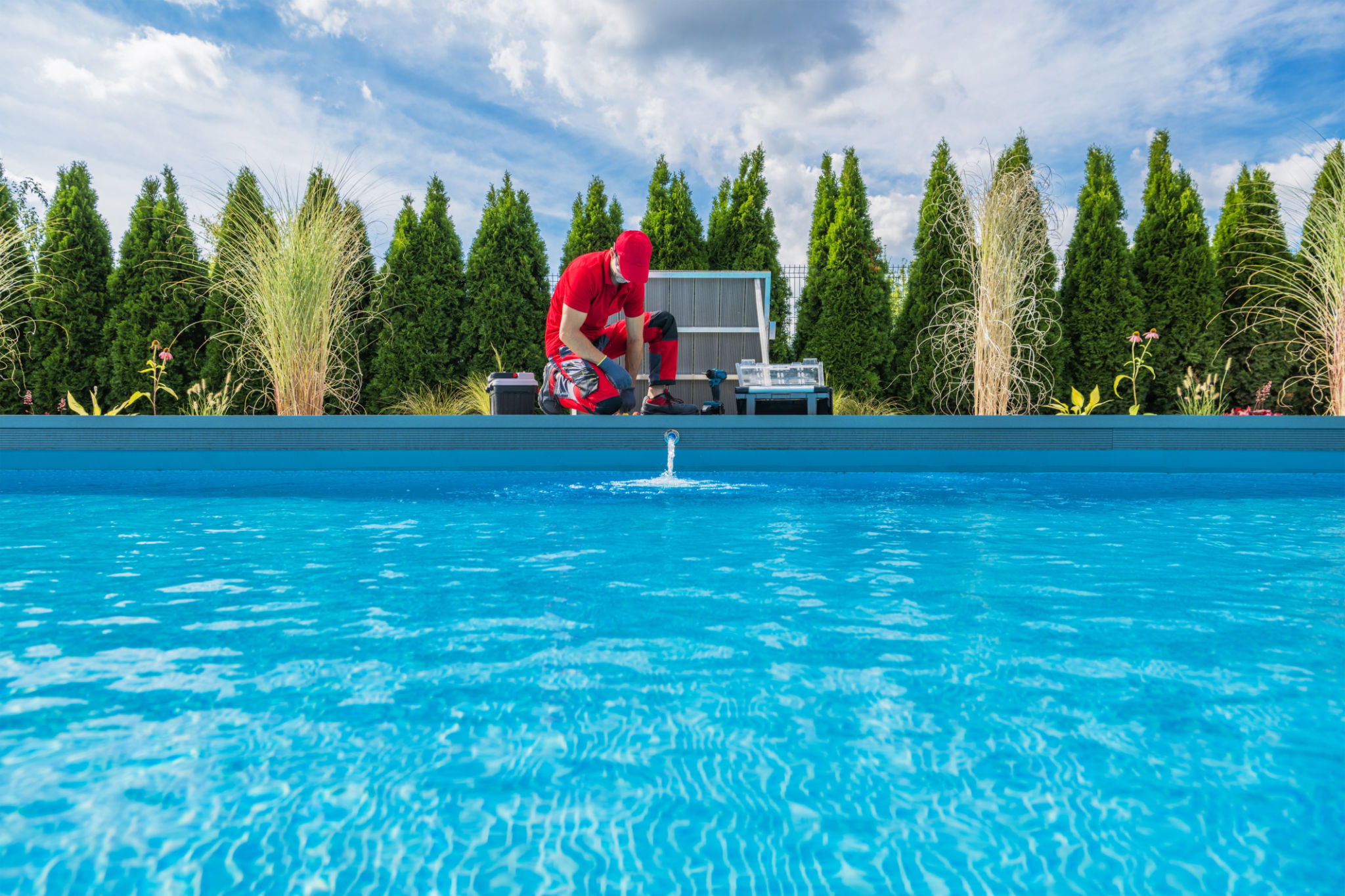
Spring Pool Opening Checklist for MA & CT Homeowners
Opening your pool the right way sets the tone for the entire season. Follow this step-by-step checklist to get your pool swim-ready safely and efficiently.

Spring Pool Opening Checklist for MA & CT Homeowners
After a long New England winter, opening your pool is one of the best signs that summer is on its way. But rushing the process — or skipping steps — can lead to equipment problems, water issues, and costly repairs before you've even taken your first swim.
Here's a complete spring opening checklist to get your pool ready the right way.
When Should You Open Your Pool?
In Massachusetts and Connecticut, most homeowners open their pools between mid-May and early June, once overnight temperatures consistently stay above 50°F.
Opening too early isn't a problem — cooler water actually makes it easier to balance chemistry and discourages algae growth. Waiting too long in warm weather gives algae a head start.
Step 1: Remove and Clean the Cover
Start by pumping standing water off the cover before removing it. A cover pump makes this much easier and prevents debris from dumping into the pool.
Once removed:
- Rinse the cover with a garden hose
- Let it dry completely before folding and storing
- Inspect for tears or damage that would need repair before next season
Store the cover in a cool, dry place — a storage bag helps protect it from pests and UV damage.
Step 2: Inspect the Pool Shell and Equipment
Before adding water or turning anything on, do a thorough visual inspection:
Pool shell:
- Look for cracks, chips, or staining along the waterline
- Check tile grout for gaps or missing sections
- Inspect steps and handrails for stability
Equipment pad:
- Check the pump, filter, and heater for cracks or damage from freezing
- Look for any fittings or unions that may have cracked over winter
- Inspect all valves — they should turn freely
Plumbing:
- Remove any winterizing plugs from return lines and skimmers
- Reinstall drain plugs in the pump and filter
If anything looks damaged or questionable, address it before starting the system.
Step 3: Reinstall Equipment and Accessories
- Reinstall ladders, handrails, and diving boards
- Reattach skimmer baskets and return fittings
- Reinstall any underwater lights
- Reconnect the pump, filter, and heater according to your system's configuration
Step 4: Fill the Pool to the Proper Level
Water should be at the midpoint of the skimmer opening — typically about halfway up the skimmer face plate. Use a garden hose to top off the pool if needed.
Don't run the pump until the water level is correct. Running a pump dry can damage the seal and impeller.
Step 5: Start Up the Circulation System
Once the pool is filled:
- Prime the pump by filling the pump basket with water
- Open all valves to the correct position for normal circulation
- Turn on the pump and check for leaks at all fittings and unions
- Run the system for at least 24 hours before testing water
Listen for unusual noises from the pump or motor. A grinding or rattling sound can indicate bearing wear or debris in the impeller.
Step 6: Clean the Pool
With the pump running:
- Skim the surface to remove leaves and debris
- Brush the walls and floor to loosen any algae or scale
- Vacuum the pool thoroughly — a manual vacuum works best for the first cleaning of the season
If the water is very green or murky, you may need to shock the pool before vacuuming is effective.
Step 7: Test and Balance the Water
This is the most important step. Test your water for:
- pH (target: 7.4 – 7.6)
- Total alkalinity (target: 80 – 120 ppm)
- Free chlorine (target: 1 – 3 ppm)
- Calcium hardness (target: 200 – 400 ppm)
- Cyanuric acid / stabilizer (target: 30 – 50 ppm)
Always adjust alkalinity first, then pH, then chlorine. Adding chemicals in the wrong order makes balancing harder and wastes product.
Step 8: Shock the Pool
Even if your water looks clear, shock the pool at opening to eliminate any bacteria or algae that built up over winter.
Use a non-chlorine shock or calcium hypochlorite shock based on your pool type. Follow the manufacturer's dosage instructions — typically 1 lb per 10,000 gallons for a standard opening shock.
Shock in the evening and run the pump overnight for best results.
Step 9: Run the Filter and Retest
Run the filter continuously for 24–48 hours after shocking. Retest the water and make any final adjustments.
Once chemistry is balanced and the water is clear, your pool is ready for the season.
When to Call a Professional
If you notice any of the following during your opening, it's worth having a professional take a look:
- Cracks in the shell or deck
- Equipment that won't start or runs poorly
- Water loss that seems faster than normal
- Persistent water clarity issues despite correct chemistry
At Precision Aquatic Solutions, we offer seasonal opening services and can handle everything from equipment inspection to water balancing. We also perform leak detection if you suspect water loss after opening.
Contact us to schedule your spring opening service in Massachusetts or Connecticut.
Explore Topics
Written by
Precision Aquatic Solutions
Content creator and writer sharing insights and stories.